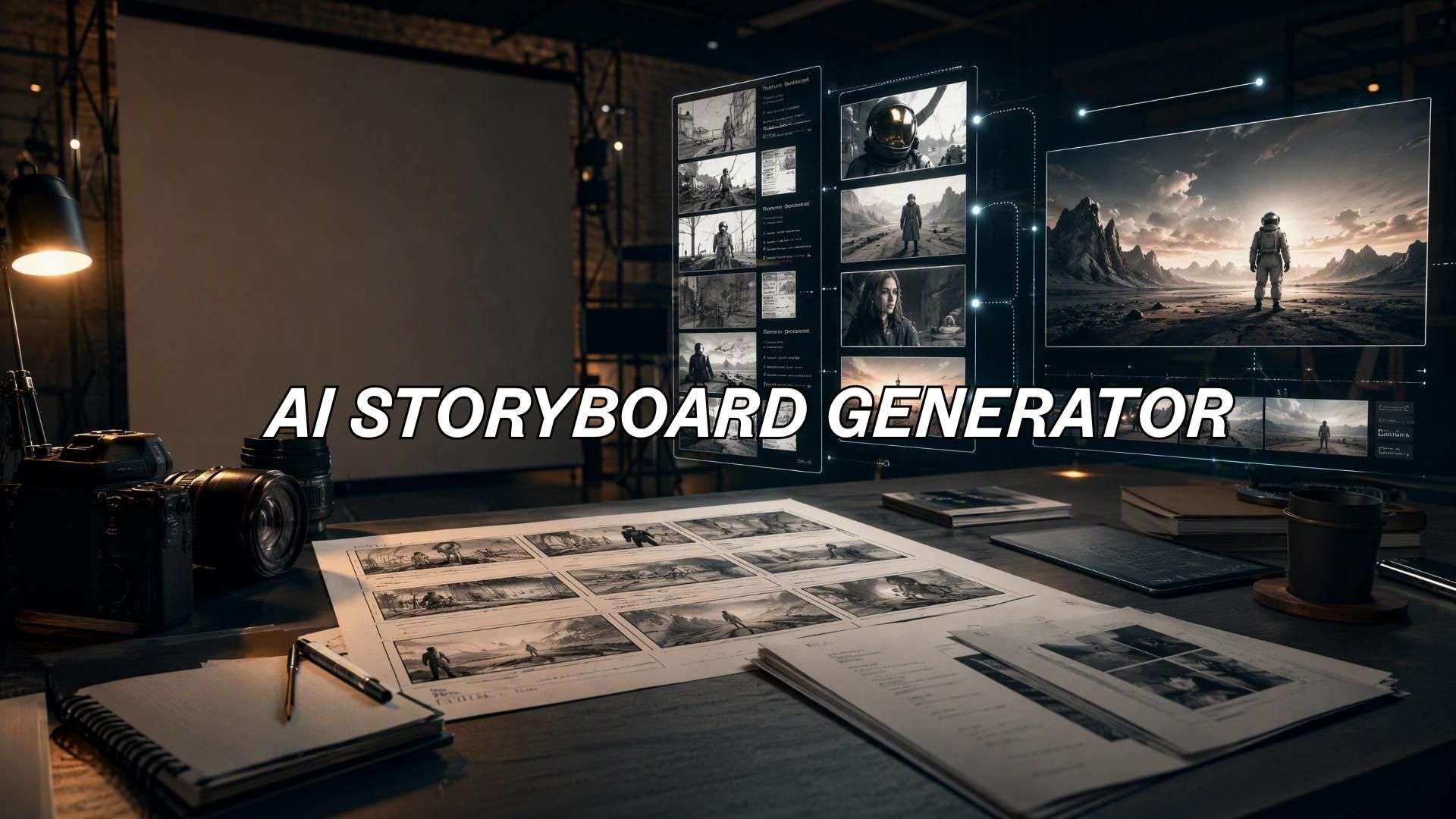
The visuals you see in movies, TV shows, and animations often start with a simple storyboard behind the scenes. But storyboards aren’t just for big productions. Teachers and creators can use them to explain lessons, spark ideas, or help students and kids create their own stories online.
If you're feeling stuck on how to map out your ideas, finding creative storyboard examples for students is the easiest way to kickstart your project. Well, this article is just right for you. We'll look at some storyboard examples for students and share practical ideas you can try for your next project.
What Is a Storyboard and Why Do Students Need One?
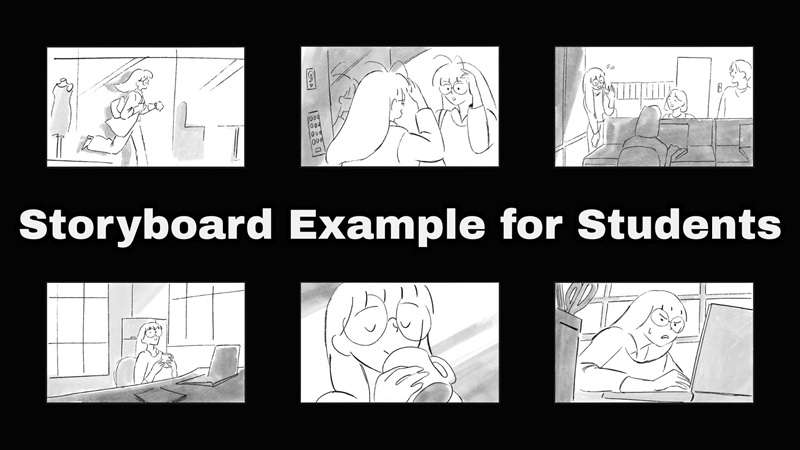
Before diving into storyboarding examples for students, it helps to get the basics down first, so nothing feels intimidating once you sit down to make your own. A storyboard is basically a series of small drawings, or panels, that lay out a story scene by scene, in the order it happens.
Take a look at this example from StoryboardThat:

The whole point is to map out your thoughts before you start shooting or editing so you don't waste time later on. Meaning, you do not need to be a professional artist to make one. Stick figures, basic geometric shapes, and rough sketches work completely fine.
Common Types of Storyboards for Students
If you're looking for some simple storyboard examples for students, you need to know about the different kinds of them, since it really depends on what you're building toward. Among them, three types students run into most often are:
- Short Film Storyboards: For those looking for short storyboard examples for students, you need to think of it as their shot-by-shot game plan before recording. It is built for planning scenes, dialogue, actions, and camera shots for student film.
- Animation Storyboards: This one is focused on planning character movement, scene changes, actions, and visual sequences. That's why animation storyboard examples for students can be especially useful for beginners who are learning how a story translates into movement.
- Presentation and School Project Storyboards: You can also use storyboards for organizing slides, visuals, narration, and the overall flow of educational projects. So, your presentation doesn't feel like a random pile of slides.

Your First Storyboard: A Simple Step-by-Step Guide for Students
Next, it's time to learn about the process of creating it. It will help you learn to better analyze the creative storyboard examples for students that we'll introduce later on.

Here's a simple process students can follow:
- Choose the Main Idea: Pick the main theme or lesson you want to share. Ask yourself: What is the big takeaway when the video ends?
- Build a Three-Act Structure: Outline a quick beginning (the setup), middle (the problem), and ending (the resolution). It doesn't need to be complicated.
- Break It Down Into Scenes: Identify the important moments that actually move the story forward, and skip the ones that don't add much.
- Doodle Your Frames: Draw rough sketches inside each panel. Stick figures, boxes, arrows, whatever gets the idea across.
- Add Dialogue and Audio Cues: Write what characters say, what the background narrator reads, or what sound effects play directly below each panel.
- Review the Sequence: Read through the whole storyboard from beginning to end and check if the story actually makes sense.
If you'd like to move from hand-drawn panels to digital planning, explore these
AI storyboard generatorsto find a tool that fits your project.
10 Storyboard Examples for Students That Spark Creative Ideas
Now for the part you're probably here for. Below are ten short storyboard examples for students with morals, each pulled from a well-known story, fable, or book. These examples can teach students how a short story can communicate a bigger idea without becoming complicated.
1. The Lost Wallet

A student finds a wallet on the way home. Instead of keeping the money, they use the information inside to find the owner and return it. This is a great option for a simple storyboard example for students because the story has a clear problem, choice, and resolution.
Moral Lesson: Doing the right thing, even when no one's watching, is what builds real trust.
2. The Lightning Thief

Up next is a great storyboard example for college students or older students. Percy Jackson discovers he is a demigod and gets accused of stealing Zeus's master lightning bolt. The board maps his quest across modern America to clear his name, locate the true thief, and stop a war among the gods.
Moral Lesson: Embracing your unique identity gives you the strength to stand up against injustice.
3. The Tortoise & The Hare

The classic Aesop fable where an overconfident hare mocks a slow tortoise into a race. Confident in his natural speed, the hare takes a nap mid-race, allowing the tortoise to keep a steady, uninterrupted pace right past the finish line.
Moral Lesson: Consistency and patience beat lazy arrogance every single time.
4. New Kid

Jordan Banks starts middle school at a prestigious private academy where he feels out of place as one of the few kids of color. The storyboard tracks his daily commute, his struggle to balance his home culture with his school life, and how he eventually finds his voice through art.
Moral Lesson: Staying true to yourself helps you bridge different worlds and build real friendships.
5. The Lion and the Mouse

This is another classic Aesop’s fables storyboard example for students in English. A lion spares a tiny mouse after catching it. Later, the mouse returns the favor by helping free the lion from a hunter's net.
Moral Lesson: No act of kindness is ever wasted, and even the smallest friend can render huge help.
6. Rikki-Tikki-Tavi

A brave young mongoose gets adopted by a family in India. When two dangerous cobras threaten the garden and the family's young boy, Rikki-Tikki stands his ground in a series of tense tactical battles to protect his home.
Moral Lesson: Loyalty and courage can help you protect the people you care about, even when facing huge odds.
7. The Bear & The Bees

A curious bear finds a beehive and wants the honey inside. His attempt to get it leads to an unpleasant surprise.
Moral Lesson: Greed and impatience can create problems.
8. Romulus & Remus

This is a great creative storyboard example for students in English. Two orphaned twin brothers are rescued by a wolf and raised by a shepherd. As adults, they decide to build a city along the Tiber River, but severe arguments over who should rule lead to a tragic conflict, leaving Romulus to found Rome alone.
Moral Lesson: Ambition and rivalry can build something great, but they can also come at a steep personal cost.
9. The Honest Woodcutter

A woodcutter accidentally drops his axe into a river. A mysterious figure offers him different axes, but he refuses to claim one that isn't his. The whole story in itself makes it another strong choice if you're looking for short storyboard examples for students with moral lessons.
Moral Lesson: Honesty is its own reward, and it's usually worth more in the long run than a shortcut.
10. Shooting an Elephant

A police officer in colonial Burma feels pressured by an angry crowd to shoot an elephant that had previously gone wild, even though the animal is now completely calm. The board details his internal struggle between doing what's right and trying to avoid looking foolish in front of others.
Moral Lesson: Giving in to peer pressure often forces people to compromise their morals.
Realize and Animate Your Storyboard With Filmora TV
As you can see, those storyboard examples for students above are free to access on Pinterest and StoryboardThat, so you have no excuses not to turn those sketches into a video. A fantastic option for this step is Filmora.TV.

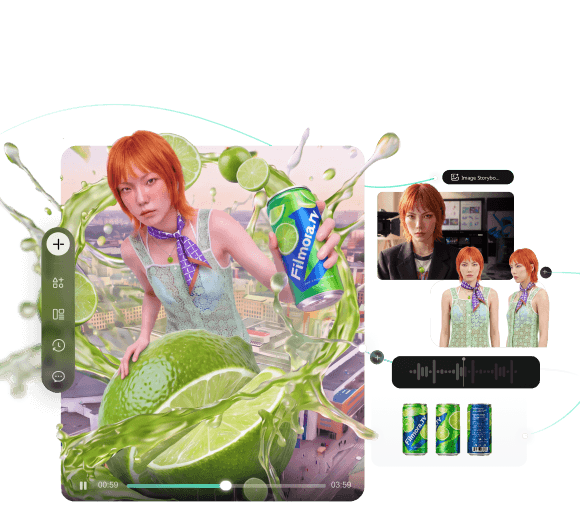
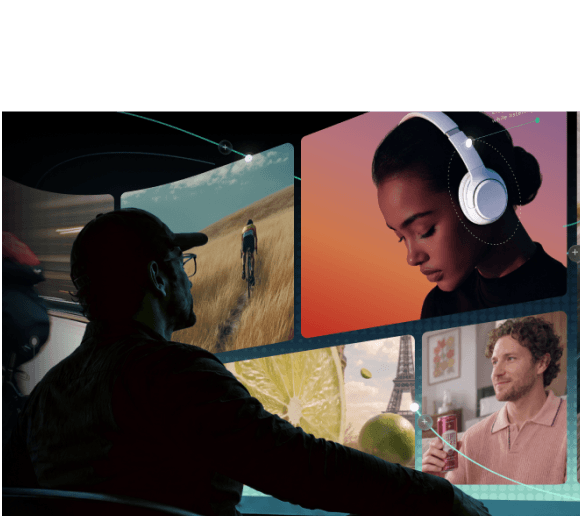
Filmora.TV is a web app created by Wondershare that works on an infinite visual canvas, letting you place your storyboard frames as individual nodes and turn each one into a clip. Getting started with Filmora.TV is as simple as entering an idea, then developing it into a script, storyboard, and finished video:
- Start with an idea. Develop your initial idea into a clear video concept.
- Generate a script. Turn the concept into a script that outlines the story and key scenes.
- Build a storyboard. Break the script into individual scenes and add visuals, references, and prompts to each scene.
- Generate video clips. Turn the storyboard scenes into video clips using the AI video generation models available in Filmora.TV.
- Edit the video. Review the generated clips, adjust individual scenes, and arrange them into a complete video using the built-in timeline on the canvas.
The infinite canvas gives you plenty of room to organize your project as it grows. You can spread out different elements, compare scene ideas side by side, and rearrange nodes without being limited to a fixed workspace.

Why Use Filmora.TV for Your Storyboard Project?
- Rock-Solid Character Consistency: Add character references and style guides to your Asset Library, then use them on the canvas to keep your character’s look consistent across scenes.
- Develop Your Story From an Idea: Start with a simple concept and use Filmora.TV to build it into a more structured story. You can break the idea down into individual scenes, turn those scenes into a storyboard, and create a script based on the storyboard.
- Top AI Generators in One Place: Instead of paying for multiple subscriptions, Filmora.TV includes leading AI engines right inside the board:
- -Text & Scripting: GPT 5.6, DeepSeek v4 Pro, Kimi k2.5.
- -Images & Storyboard Grids: GPT Image 2, Seedream 5.0, TMJ V8.2.
- -Video Generation: Seedance 2.5, VEO 3.1, Wan 3.0, Kling 3.0, MiniMax H3.
- -Voice & Audio: ElevenLabs, MiniMax Music 3.0, Kling Audio.
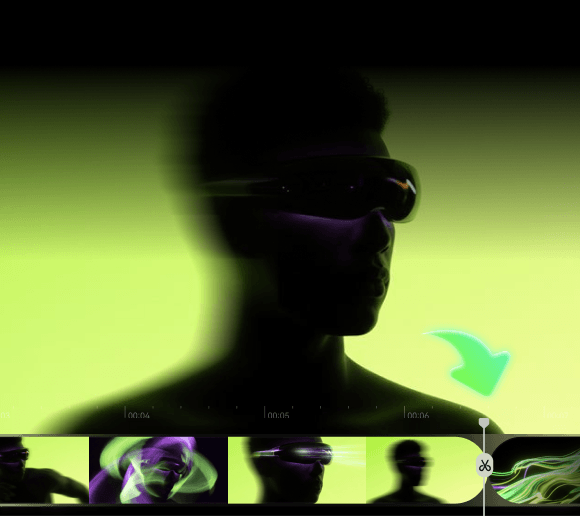
- Direct Canvas-to-Timeline Drag & Drop: Once you generate an AI image or video clip on your board that matches your storyboard panel, you can drag it straight down into the built-in timeline editor at the bottom of the screen.
- Built-In Multi-Track Video Editor: Cut clips, stack audio tracks, adjust playback speed, add transitions, and burn in subtitles without leaving your web browser.
- Side-by-Side Visual Comparisons: Generate different visual interpretations of a single storyboard scene and park them next to each other on the canvas to pick the winner instantly.
- Great for Group Assignments: Share workspace access with classmates so everyone can drop in reference images, write scene notes, and build the board together in real time.
Conclusion
A storyboard gives students a simple way to turn an idea into a sequence of scenes they can actually see and plan. So, we show some storyboard examples for students with morals. From fables and school assignments to short films and animation, even a few rough panels can make a project easier to organize.
Once your panels are ready and you're itching to turn them into an actual video, Filmora.TV is worth trying out. Its infinite canvas gives you space to develop scripts, references, and AI-generated visuals, while its built-in timeline lets you arrange selected clips into a finished video. So, the leap from paper sketches to a finished, watchable video feels a whole lot less overwhelming.
FAQs
-
What is the difference between a storyboard and a comic strip?
A storyboard is built specifically to plan a video, film, or animation before it's produced, with notes on camera angles, timing, and action alongside each panel. A comic strip, on the other hand, is a finished piece of storytelling meant to be read and enjoyed on its own, without any production notes attached.
-
Should every storyboard panel include dialogue?
Not necessarily. Some panels are purely visual, like an establishing shot or an action beat, and don't need any dialogue at all. Add dialogue only where it actually matters for understanding what's happening in that specific moment of the story.
-
Can I download storyboard examples for students as a PDF?
There are some storyboard examples for students in PDF format, although the availability and usage rights vary by website. If you're looking for storyboard examples for students PDF free download, check the specific site's download or template options and make sure the material is available for your intended use.